
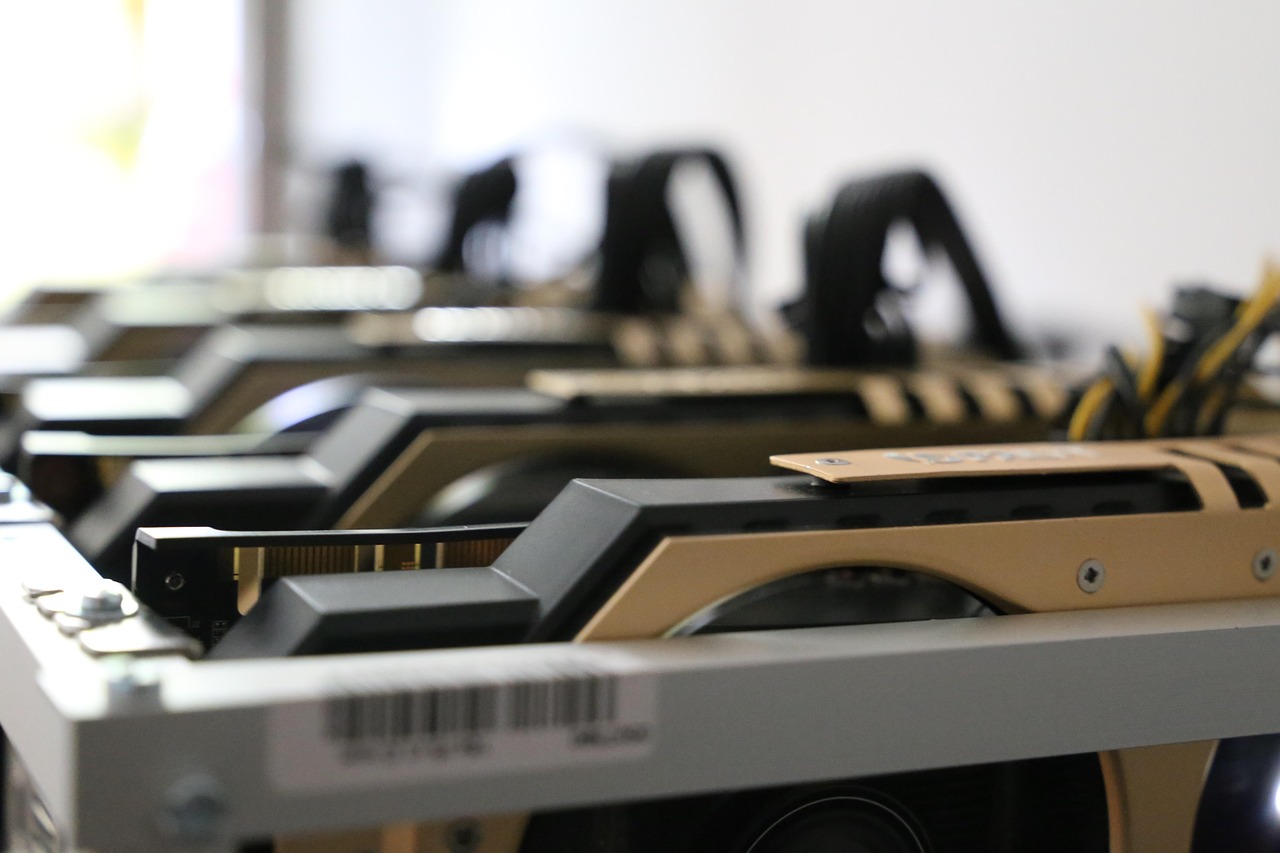

Iran is grappling with a significant challenge as a burgeoning Bitcoin mining industry places enormous pressure on its power infrastructure. With crypto enthusiasts taking advantage of the country’s subsidized electricity, the landscape has become ripe for unlicensed mining operations. Local energy authorities have embarked on a mission to dismantle these clandestine farms, which not only strain the national grid but also operate largely outside regulatory oversight.
The Impact of Bitcoin Mining on Iran’s Energy System
Cheap electricity prices in Iran, significantly lower than global market rates, have created an environment where cryptocurrency mining is exceptionally lucrative. This economic landscape has led to a surge in unauthorized Bitcoin mining operations, causing a considerable drain on the country’s power resources. Akbar Hasan Beklou, the CEO of the Tehran Province Electricity Distribution Company, highlights the magnitude of this issue, describing parts of Iran as a “haven for illegal miners.”
Proliferation of Unlicensed Mining Operations
Beklou reports that approximately 427,000 mining devices are operational across the country, with the vast majority—over 95%—functioning without proper licenses. This unregulated activity demands an estimated 1,400 megawatts of electricity continuously, leading to increased enforcement by energy companies and law enforcement agencies. In a recent crackdown in Tehran Province alone, authorities closed down 104 illegal Bitcoin mining facilities, confiscating over 1,400 mining machines.
The widespread nature of illegal mining has led to a cumulative seizure of potentially hundreds of thousands of devices over the years. These operations are often cleverly concealed, utilizing outlets like factories and forged industrial meters to evade detection.
Underlying Causes of Iran’s Bitcoin Mining Boom
The allure of cheap power is undeniable for Bitcoin miners, as government-set electricity prices enable profitability, even with 24/7 operation. In addition, economic sanctions and trade restrictions have driven some to use cryptocurrency as an alternative route for financial transactions outside traditional banking systems.
Both small-scale and extensive networks exploit subsidized electricity intended for industrial use, complicating uniform enforcement. Compliance is further hampered by entities with potential ties to state-linked organizations that may operate with impunity.
Tackling Illegal Bitcoin Mining: Enforcement and Challenges
Iran’s Ministry of Energy, along with local utility companies, has pledged an aggressive crackdown on unauthorized mining activities. This includes enhancing inspections and incentivizing public tip-offs to identify illicit consumption points. However, the task is daunting due to the transient nature of mining setups. These rigs can be rapidly relocated and concealed in discreet locations such as warehouses, complicating regulators’ efforts to maintain control over energy usage.
FAQs: Understanding the Landscape of Bitcoin Mining in Iran
Why is Iran a hotspot for illegal Bitcoin mining?
Iran’s artificially low electricity costs make Bitcoin mining exceptionally profitable, attracting both small and large-scale operations. Additionally, the country’s economic sanctions have pushed some operators towards crypto as a financial workaround, fueling the rise of unauthorized mining activities.
How are authorities addressing illegal Bitcoin mining in Iran?
The Iranian government is intensifying enforcement through increased raids and offering rewards for information leading to the discovery of illegal mining activities. Regular inspections and stricter regulation of industrial meters are part of the strategy to curb unauthorized power usage for cryptocurrency mining.
What are the risks of illegal Bitcoin mining on Iran’s power grid?
The extensive power consumption from illegal mining operations poses a risk of blackouts and significantly strains the national power grid. The irregular demand can lead to instability in electricity supply, impacting both residential and industrial consumers across the country.
This comprehensive guide examines the complexities surrounding Bitcoin mining in Iran, detailing the economic, regulatory, and infrastructural challenges. The insightful FAQs provide additional context, equipping readers with the knowledge needed to understand this intricate issue and make informed decisions regarding the broader impact of cryptocurrency activities in regulated environments.
