
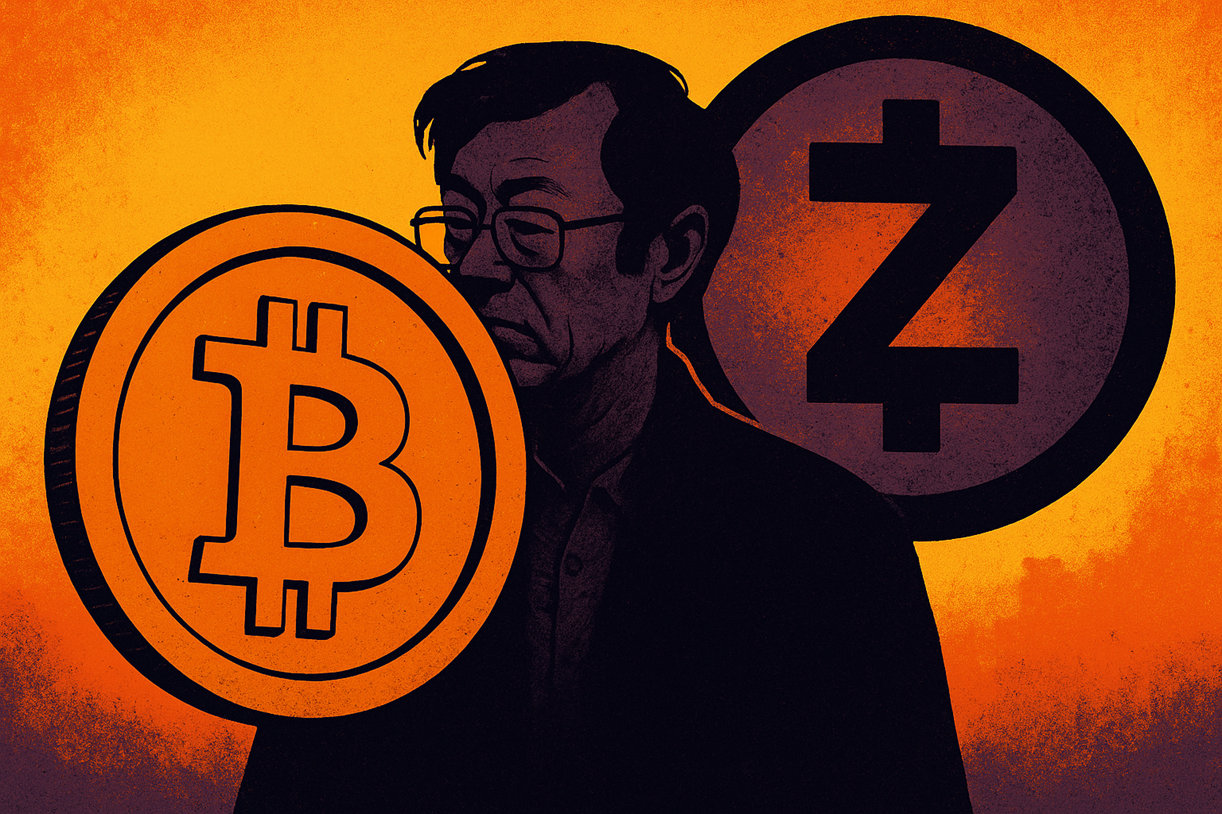

In recent years, the cryptocurrency sphere has seen a vibrant resurgence of interest, particularly in coins that emphasize privacy and security. Among these, Zcash stands out, capturing the attention of both enthusiasts and critics alike. Its revival isn’t merely a market cycle but a return to fundamental cryptographic principles and user autonomy. As the digital currency landscape evolves, understanding how privacy-centric technologies like Zcash reshape the financial ecosystem is essential.
Zcash: A Reimagining of Financial Privacy
Zcash has emerged as a pivotal player in the conversation about digital privacy, often referred to as “secret Bitcoin.” This moniker highlights its foundation in Bitcoin’s principles while pushing the envelope with advanced encryption technologies. According to Mert Mumtaz, CEO of Helius, Zcash embodies Bitcoin’s original vision—complete privacy through robust encryption—a concept its creators couldn’t fully realize due to the technological constraints of 2010. As blockchain technology advanced, so did the means to integrate Zero-Knowledge proofs (ZK proofs), leading to the rise of Zcash.
The Technological Leap of Zcash
In the early days of Bitcoin, figures like Satoshi Nakamoto and Hal Finney discussed enhancing Bitcoin with Zero-Knowledge proofs to bolster privacy. Zcash embodies this evolution, replacing probabilistic obfuscation with a system of pure encryption. This shift allows Zcash to minimize information leaks, a stark contrast to privacy methods like Monero’s decoys, which rely on probabilistic deterrents.
Mumtaz argues that privacy should not be an ancillary feature but a fundamental property of a cryptocurrency’s architecture. Zcash’s shielded transactions exemplify this philosophy by offering true confidentiality without obfuscation.
Market Dynamics and Regulatory Landscape
The recent surge in Zcash’s value wasn’t sparked by a single market event but rather by a synergy of factors, including improvements in user experience and heightened public discourse on privacy. Growing adoption of tools like the Zashi wallet underscores this, allowing users to engage with features like private messaging and secure transactions.
However, regulatory challenges loom. The enforcement of privacy-related cryptocurrency regulations has been uneven, with some regions adopting stringent measures while others are more permissive. Mumtaz expresses concern over the legal implications for developers working on privacy technologies, noting disparities in legal consequences for privacy code versus fraudulent activities. The future regulatory landscape will significantly impact the development and adoption of privacy-centric digital assets.
Integrating Privacy Across Ecosystems
Zcash’s roadmap focuses on solutions for scalability and decentralization, with projects like Tachyon aiming to optimize state growth and resource utilization. While proposals like the Crosslink hybrid consensus model have been debated, Mumtaz emphasizes the simplicity and security that fewer moving parts provide, particularly in privacy systems.
In exploring cross-ecosystem liquidity, bridging assets like ZEC into platforms like Solana expands market access but temporarily foregoes the inherent privacy benefits. While this offers broader market participation, ultimate privacy can only be restored upon re-entering Zcash’s shielded ecosystem.
Is Zcash (ZEC) a safe investment choice?
Investing in Zcash (ZEC) presents a unique opportunity due to its commitment to privacy and encryption. However, potential investors should consider market volatility, regulatory scrutiny, and technological risks. Analyzing these factors can provide a well-rounded perspective on its investment potential.
How does Zcash differ from Bitcoin in terms of privacy?
Zcash enhances privacy by using Zero-Knowledge proofs (ZK proofs) to encrypt transaction details, unlike Bitcoin, which relies on pseudonymous addresses publicly visible on the blockchain. This ensures that Zcash transactions remain confidential and untraceable.
What impact could regulatory changes have on Zcash?
Regulatory changes can significantly influence Zcash’s adoption and market dynamics. Stricter privacy regulations can hinder development and usage, while more favorable legislation could promote broader acceptance and integration into mainstream financial systems.
This comprehensive overview delves deep into the technological, regulatory, and market aspects of Zcash, highlighting its potential role in the future of cryptocurrency. As the digital landscape continues to shift, staying informed about developments in privacy technology and policy remains invaluable.
